How Basement Waterproofing NJ Supports Basement Finishing Projects
A finished basement can add genuine living space to a New Jersey home. It can become a family room, guest suite, office, gym, playroom, or a combination of all four over time. The appeal is obvious, especially in parts of the state where expanding outward is expensive, setbacks are strict, and moving to a larger house may not make financial sense. But there is a practical truth that experienced contractors and homeowners learn quickly: a basement should not be finished before it is made reliably dry.
That sequence matters more in New Jersey than many people realize. Between older housing stock, variable soil conditions, heavy seasonal rains, high water tables in some areas, and the freeze-thaw cycle, basements here deal with real moisture pressure. A room can look acceptable in late summer and still take on seepage during a March storm. Drywall, flooring, trim, insulation, and electrical work do not tolerate that kind of uncertainty well.
This is where Basement Waterproofing NJ becomes part of the finishing plan rather than a separate afterthought. Waterproofing is what allows the cosmetic and structural parts of a finished basement to last. It protects materials, preserves indoor air quality, and reduces the chance that a renovation turns into a repair project within a year or two.
A finished basement is only as good as the envelope around it
People often focus on visible design choices first. They think about recessed lighting, luxury vinyl plank flooring, built-in shelving, paint color, or whether to include a wet bar. Those are enjoyable decisions. They are also expensive decisions. Once those materials go in, any moisture issue becomes harder to detect and much more costly to address.
Basements are below grade, which means they sit in direct contact with surrounding soil. When that soil becomes saturated, water does not need a dramatic opening to get inside. It can move through porous concrete, press through hairline cracks, seep at cove joints where the wall meets the slab, or find its way around old utility penetrations. Even when standing water never appears, persistent dampness can still damage a finishing project. Musty odor, elevated humidity, minor efflorescence on walls, and seasonal condensation are all warning signs.
I have seen homeowners spend tens of thousands of dollars finishing a basement only to discover, after the first extended storm cycle, that the lower six inches of drywall had to be cut out and replaced. The flooring cupped near exterior walls. The baseboards swelled. In one case, the homeowner believed the basement was dry because it had stayed that way for several months before the renovation. The problem only showed up during a period of unusually heavy rainfall. That is common enough that good basement contractors rarely trust appearances alone.
When Basement Waterproofing NJ is handled early, the finishing project starts from a sound base. Instead of hiding vulnerabilities behind trim and paint, the work addresses how water behaves around the home and what pressure the foundation will face through different seasons.
New Jersey basements present a specific set of challenges
Basements in New Jersey are not all alike. A stone foundation in an older North Jersey home behaves differently from a poured concrete foundation in a newer development. A house built on a slope drains differently than one on a relatively flat lot. Clay-heavy soil holds water longer than sandy soil. Homes near rivers, bays, or coastal areas can deal with higher groundwater and humidity patterns than homes farther inland.
That local variation is why generic finishing advice often falls short. A national remodeling article might tell a homeowner to insulate, frame, and install flooring, but it may ignore the regional moisture realities that drive failures. In practice, New Jersey basements often need an assessment that considers several overlapping conditions:
- surface water coming toward the foundation from grading or hardscape
- subsurface water building hydrostatic pressure around walls and below slabs
- humid air condensing on cool basement surfaces
- old cracks, joints, and penetrations opening pathways over time
- previous repairs that masked symptoms without fixing the cause
This is not theoretical. Even a well-kept home can have hidden moisture stress. A downspout that discharges too close to the house, a patio pitched the wrong way, compacted soil settled against the wall, or a sump system that is undersized for peak flow can each compromise a finished basement.
For homeowners planning a renovation, the smartest question is not, “Can I finish this space?” The better question is, “What has to happen first so the finished space performs the way I expect?”
What waterproofing actually does for a finishing project
Waterproofing supports basement finishing in both direct and indirect ways. The direct benefit is obvious: it reduces the risk of water intrusion. The indirect benefits are just as important because they affect comfort, durability, and resale value.
A properly waterproofed basement is easier to insulate correctly. It is less likely to trap moisture behind finished walls. Flooring adhesives perform better. Paint holds up. Wood trim remains stable. HVAC equipment in the basement runs in a less hostile environment. Furniture and stored items are safer. Occupants notice fewer odors and less stickiness in humid months.
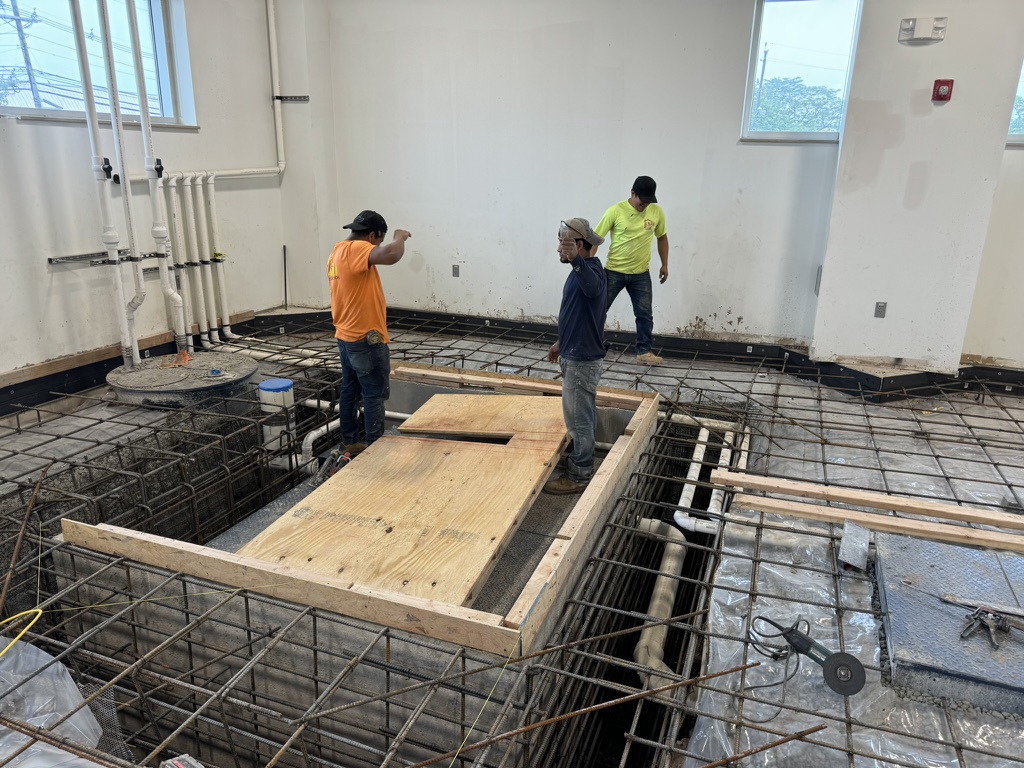
There is also a sequencing advantage. Once waterproofing is completed, the renovation team can make better decisions about framing methods, insulation type, vapor control, subfloor systems, and finish materials. For example, if a basement still experiences occasional humidity spikes, that may influence whether carpet is wise or whether a resilient floor is the better long-term choice. If the waterproofing plan includes an interior perimeter drainage system, the framing layout may need to account for access and clearances. When these trades communicate early, the finished result is much cleaner.
Basement finishing is often treated as an aesthetic upgrade, but in reality it is a building science project happening below grade. Waterproofing is the part that respects the physics of the space.
Interior systems and exterior measures work together
Homeowners sometimes assume waterproofing means a single product. They picture paint-on sealers or a quick crack fill and expect the issue to be solved. In most real basements, moisture control is a system, not a single item.
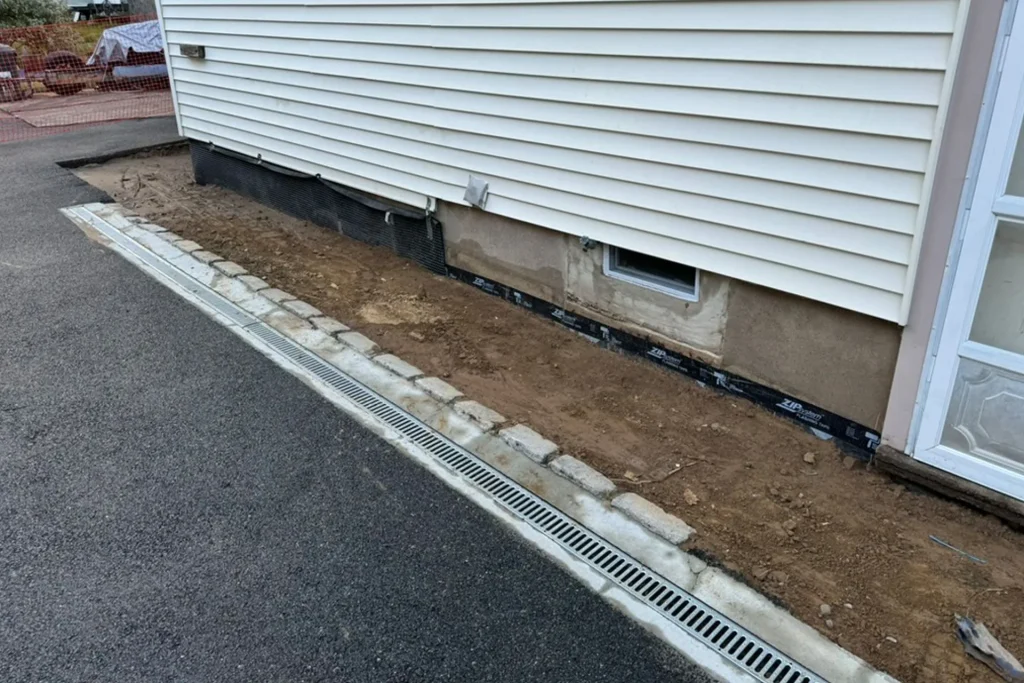
Interior waterproofing often includes perimeter drainage channels, sump pump installation or replacement, crack injection where appropriate, and vapor management. Exterior work may include correcting grading, extending downspouts, improving drainage away from the house, or excavating and applying exterior membrane protection in more severe cases. The right mix depends on the source of the problem, the construction of the foundation, budget, and the intended use of the basement.
An unfinished utility basement can sometimes tolerate a narrower solution than a fully finished living area. Once people plan to add drywall, insulation, electrical outlets, media equipment, or sleeping areas, the margin for moisture problems gets much smaller. A waterproofing plan that is acceptable for storage may not be adequate for habitable use.
That difference is worth stressing. If the basement will contain finished ceilings, enclosed wall cavities, and flooring assemblies, small moisture issues become hidden moisture issues. Hidden moisture is what leads to mold growth, material breakdown, and insurance disputes over what was sudden versus what was gradual.
Why moisture testing before finishing saves money
A careful contractor usually wants more than a visual walk-through before recommending a finishing scope. Moisture readings, crack inspection, efflorescence patterns, signs of previous seepage, sump performance, and exterior drainage conditions all help build the right plan. This stage can feel slow to a homeowner who is eager to start construction, but it is one of the highest-value parts of the entire process.
I have seen two homes on the same street produce completely different basement conditions. One stayed fairly dry because its lot shed water well and the owners had already upgraded gutters and drainage. The other had recurring dampness because a driveway and walkway channeled runoff straight toward the foundation. Without investigating, those basements might have received the same renovation package even though their risk profiles were not the same.
Testing and diagnosis also clarify whether a homeowner is dealing with bulk water, vapor transmission, humidity, or some combination of the three. Those are not interchangeable problems. A dehumidifier helps with air moisture. It does not solve hydrostatic pressure. Waterproof paint might improve surface appearance. It does not replace a drainage system where active seepage exists. Basement Waterproofing NJ professionals who understand local housing conditions can usually spot these distinctions quickly, which keeps the finishing budget aimed at the actual problem.
The cost of finishing before waterproofing
Skipping waterproofing rarely saves money in the long run. It usually shifts costs into a more painful category: demolition, repair, and replacement after the renovation is complete.
Drywall and trim are the obvious casualties, but they are not the only ones. Insulation can become ineffective when damp. Engineered wood products can swell. Carpet pads trap moisture and odor. Framing lumber in contact with damp surfaces can support mold growth. Outlet boxes and wiring in wet wall cavities create safety concerns. If the basement includes a bathroom, bar, or laundry area, moisture complications multiply because plumbing and finish assemblies are packed more tightly together.
There is also labor duplication. Once walls are closed, even simple repairs become invasive. A crack that could have been reached easily before finishing may require opening walls, removing insulation, and patching painted surfaces. A sump upgrade after the fact can involve cutting into newly installed flooring or trim. Nothing feels more wasteful than paying twice for access to the same area.
For homeowners considering return on investment, waterproofing also protects appraisal value and buyer confidence. A beautifully finished basement that smells musty or shows discoloration near the baseboards tends to raise red flags immediately. Buyers may not know the technical cause, but they know the room does not feel right.
Material choices improve when the basement is dry
One of the less discussed benefits of waterproofing is freedom of design. A dry, controlled basement gives you more material options and better odds that those materials will hold up as intended.
Without dependable moisture control, every finish choice becomes conservative. You start ruling out products because they are too sensitive. You worry about rugs, upholstered furniture, storage units, and electronics. The room never feels fully trustworthy. That undercuts the whole purpose of creating usable living space.
With solid waterproofing in place, planning gets easier. You can frame with confidence, choose insulation based on thermal performance instead of fear, and think about the room like a real extension of the home. That does not mean ignoring best practices. Basements still benefit from moisture-tolerant materials and thoughtful detailing. But there is a difference between wise design and defensive design.
A sensible approach often includes products that can handle minor environmental variation better than traditional above-grade choices. Luxury vinyl plank, composite trim in vulnerable areas, closed-cell insulation strategies in specific assemblies, and mold-resistant drywall products may all make sense depending on the layout. The key point is that these become enhancements, not emergency precautions, when the basement envelope is already under control.
Waterproofing and indoor air quality are closely tied
A finished basement is part of the home’s air system whether people think of it that way or not. Air moves between levels. HVAC systems circulate it. Stack effect pulls it upward. If the basement has high humidity or hidden mold growth, those conditions rarely stay isolated.
This matters even more when the space is being finished for daily use. A basement office, family room, or guest area should feel as clean and comfortable as the rest of the house. If the air feels damp, if there is a persistent earthy smell, or if occupants notice irritation after spending time there, moisture may still be active somewhere behind the finishes.
Basement Waterproofing NJ work supports air quality by reducing the environmental conditions mold prefers. It also gives dehumidification a chance to work effectively. A dehumidifier can help maintain relative humidity in a target range, often around 40 to 50 percent depending on the season and the home, but it performs best when the basement is not actively taking on water from surrounding soil. Asking a dehumidifier to compensate for seepage is like asking a space heater to make up for an open window.
Families with allergies, asthma, or sensitivity to musty spaces usually notice this difference right away. A dry basement is not just safer for materials. It is more pleasant to live in.
Sequencing the project the right way
The order of operations can make or break a basement renovation. When homeowners call after moisture damage appears, the backstory is often the same: they rushed to the attractive phase and assumed the invisible phase could wait.
The more reliable sequence looks like this:
- Assess moisture conditions inside and outside the basement
- Complete the necessary waterproofing and drainage work
- Verify performance through a wet-weather period when possible
- Finalize the finishing design based on actual conditions
- Install finishes suited to a below-grade environment
That third step, waiting through weather if timing allows, is one of the hardest for people to accept. It can feel like delay for the sake of delay. In reality, it is a form of quality control. A basement that stays dry only during mild weather has not really been tested. In New Jersey, one strong storm cycle can reveal what sunny weeks concealed.
Of course, schedules do not always permit a long pause. If a homeowner needs the space completed on a deadline, then the waterproofing contractor and finishing contractor need even tighter coordination. That may include documenting existing conditions, checking pump capacity, confirming discharge routes, and choosing assemblies that allow some inspection or service access later.
Common edge cases homeowners overlook
Not every basement problem shows up as puddling water. Some of the most troublesome projects involve borderline conditions that seem minor until finishing begins.
A basement may look dry but show a white powder on the walls. That is often efflorescence, a sign that moisture has moved through the masonry and left mineral deposits behind. Another basement may have no visible wall seepage but a chronically damp slab that affects flooring adhesives. In older homes, a stone or block foundation may permit intermittent moisture movement that demands a different strategy than a modern poured wall. Split-level and walkout basements bring another layer of complexity because one side of the room is below grade and another is open to exterior grade conditions.
Then there are mechanical edge cases. A sump pit may exist but be too shallow, too small, or paired with a pump that cannot keep up. The https://codyxzml277.urbanvellum.com/posts/basement-waterproofing-nj-ideas-to-keep-your-basement-dry-all-year discharge line may be poorly routed and send water back toward the house. Window wells can become miniature reservoirs if they lack proper drainage. Finished basements with bathrooms need careful thought around ejection systems, floor penetrations, and the interaction between plumbing work and waterproofing details.
These are exactly the situations where local experience matters. Basement Waterproofing NJ is not just about applying products. It is about understanding how regional weather, lot conditions, and foundation types combine in the field.
What to ask before hiring for a finishing project
A homeowner does not need to become a waterproofing expert, but a few practical questions can reveal whether the basement is being approached responsibly.
Ask what evidence supports the proposed waterproofing scope. Ask whether the issue appears to be exterior drainage, foundation seepage, slab pressure, humidity, or a mix. Ask how the finishing plan will account for access to pumps or drainage components later. Ask what materials are recommended near the floor and why. Ask whether the contractor has worked on similar homes in your part of New Jersey, especially if the house is older or sits on a challenging lot.
Pay attention to confidence that sounds too easy. Basements are not all the same, and anyone who promises a universal cure without much investigation should be viewed carefully. Good professionals usually explain trade-offs. Sometimes an interior drainage system is the most practical answer. Sometimes exterior corrections solve much of the issue at lower cost. Sometimes both are appropriate. The right answer tends to be specific.
Budget discussions are also more honest when waterproofing is addressed early. Homeowners can decide where to invest, what level of finish makes sense, and whether the basement will be occasional-use space or fully integrated living area. That is far better than discovering halfway through the renovation that moisture control was under-scoped.
The real value is confidence over time
A finished basement should not be a room you worry about every time rain is in the forecast. It should be dependable. You should be able to place furniture where you want it, let guests stay comfortably, and use the square footage year-round without watching the walls for signs of trouble.
That kind of confidence is what proper waterproofing supports. It turns the basement from conditional space into durable living space. It protects the investment in framing, insulation, flooring, paint, and electrical work. It improves comfort, supports cleaner air, and reduces the chances of a hidden problem growing behind beautiful finishes.
For New Jersey homeowners, that foundation-first mindset is especially important. Local weather and below-grade conditions do not reward shortcuts. When Basement Waterproofing NJ is treated as the first phase of a finishing project rather than a side issue, the renovation has a far better chance of aging well. And that is the standard worth aiming for, not just a basement that looks finished on day one, but one that still performs years later.
ARD Waterproofing
Address: 98 Smull Ave, West Caldwell, NJ 07006
Phone number: +12016465936
FAQ About Basement Waterproofing NJ
What is the best waterproofing method for a basement?
The best overall approach to waterproofing a basement is a combined exterior and interior system that stops water at the foundation wall and safely manages any moisture that gets through.
What is the average cost to waterproof a basement?
The average cost to waterproof a basement ranges from $2,500 to $15,000, with most homeowners paying around $5,200 for a complete project.
Can a basement be waterproofed from the inside?
Yes, a basement can be waterproofed from the inside, and it is often the most affordable and least disruptive method.